
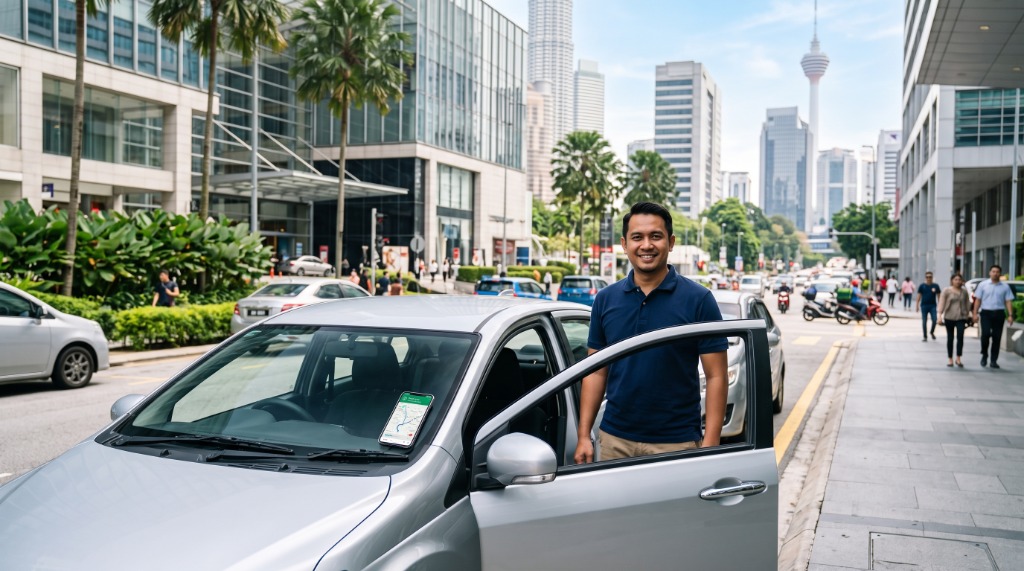
Memiliki kenderaan di Malaysia menuntut perancangan kewangan yang rapi, terutamanya dalam menguruskan kos pembaharuan insurans kereta dan cukai jalan (roadtax) setiap tahun. Bagi pemilik First-Time E-Hailing Registration in Malaysia: Complete Beginner’s Guide, memahami kadar rasmi JPJ, struktur susut nilai pasaran, serta syarat perlindungan insurans komprehensif adalah langkah bijak untuk mengelakkan pembaziran wang ringgit.
Dalam panduan komprehensif 2026 ini, kami akan merungkaikan secara terperinci pecahan kos roadtax, cara pengiraan premium insurans komprehensif mengikut kelayakan No Claim Discount (NCD), cadangan perlindungan perlindungan tambahan wajib (seperti banjir dan cermin depan), serta panduan langkah demi langkah untuk memperbaharui insurans secara online di MetaFin dengan kemudahan ansuran 0%.
1. Kadar Cukai Jalan (Road Tax) Rasmi JPJ 2026
Kadar cukai jalan kenderaan di Semenanjung Malaysia dikira berpandukan struktur kapasiti enjin (cc) Jabatan Pengangkutan Jalan (JPJ). Bagi kenderaan Perodua Myvi 1.3L & 1.5L dengan spesifikasi enjin 1,329 cc (1.3L) / 1,496 cc (1.5L), berikut ialah kadar bayaran cukai jalan rasmi:
| Wilayah Pendaftaran | Kapasiti Enjin (CC) | Kadar Road Tax Setahun |
|---|---|---|
| Semenanjung Malaysia | 1,329 cc (1.3L) / 1,496 cc (1.5L) | RM70.00 (1.3L) / RM90.00 (1.5L) |
| Sabah & Sarawak | 1,329 cc (1.3L) / 1,496 cc (1.5L) | Kadar Khas Wilayah (Lebih Murah) |
Bagi pemilik yang memilih roadtax digital melalui aplikasi MyJPJ, anda tidak lagi perlu menampal pelekat fizikal pada cermin depan kenderaan. Pihak penguatkuasa JPJ dan PDRM boleh menyemak status cukai jalan aktif secara imbasan kod QR digital.
2. Anggaran Kos Premium Insurans Komprehensif Mengikut Skala NCD
Kadar premium insurans kenderaan dinilai berdasarkan Nilai Diinsuranskan (*Sum Insured*), umur kenderaan, lokasi pendaftaran, serta kadar No Claim Discount (NCD) pemilik. Bagi First-Time E-Hailing Registration in Malaysia: Complete Beginner’s Guide bernilai anggaran pasaran RM38,000, RM58,000, berikut ialah perbandingan anggaran bayaran premium tahunan:
- 0% NCD (Tahun Pertama / Selepas Claim): Anggaran RM1,150, RM1,650 setahun.
- 25% NCD (Tahun Ke-2 Bebas Claim): Penjimatan 25% daripada kadar asas premium.
- 30% NCD (Tahun Ke-3 Bebas Claim): Penjimatan berterusan secara automatik.
- 38.33% NCD (Tahun Ke-4 Bebas Claim): Potongan harga lebih berbaloi.
- 45% NCD (Tahun Ke-5 Bebas Claim): Menghampiri kadar penjimatan maksimum.
- 55% NCD (5 Tahun+ Maksimum): Anggaran RM518, RM742 setahun sahaja!
🎁 Penawaran Kesihatan Eksklusif MetaFin: Baucar Pathlab Percuma!
Setiap pembaharuan insurans kenderaan di portal MetaFin melayakkan anda menerima Baucar Ujian Darah Kesihatan Pathlab percuma secara automatik:
- Pakej Lite (Nilai RM120 | 36 Ujian Kesihatan): Premium insurans di bawah RM1,000
- Pakej Pro (Nilai RM220 | 62 Ujian Kesihatan): Premium insurans RM1,000, RM2,000
- Pakej Max (Nilai RM590 | 62 Ujian + Ujian Penanda Kanser): Premium insurans RM2,001, RM3,000
- Pakej Ultra (Nilai RM2,439 | 62 Ujian + Penanda Kanser + Bantuan Kecemasan Europ Assistance): Premium insurans melebihi RM3,000
✨ Keutamaan Utama: TIDAK PERLU BERPUASA sebelum menjalani ujian kesihatan di cawangan Pathlab seluruh Malaysia!
3. Perlindungan Tambahan (Add-On) Yang Sangat Disyorkan
Membeli polisi komprehensif asas sahaja belum mencukupi untuk melindungi kenderaan anda daripada risiko kewangan luar jangka di Malaysia. Berikut ialah 3 perlindungan tambahan wajib yang patut dipertimbangkan:
- Special Perils (Perlindungan Bencana Alam & Banjir): Melindungi enjin dan ruang dalaman kereta akibat tenggelam air banjir, tanah runtuh, atau pokok tumbang akibat ribut. Premium tambahan biasanya hanya sekitar 0.20% hingga 0.50% daripada sum insured.
- Windscreen Coverage (Perlindungan Cermin Depan): Retak atau pecah cermin depan akibat batu melayang di lebuh raya boleh ditukar baru di bengkel panel tanpa menjejaskan kadar NCD 55% anda.
- Strike, Riot & Civil Commotion (SRCC): Perlindungan khas sekiranya kenderaan mengalami kerosakan akibat rusuhan awam atau kekecohan.
Renew Insurans Kereta Online MetaFin 2026
Bandingkan sebut harga komprehensif secara percuma dalam 60 saat & tebus Baucar Ujian Darah Pathlab Percuma (Tanpa Perlu Berpuasa)!
4. Kenapa Memilih MetaFin Untuk Pembaharuan Insurans Kereta?
MetaFin merupakan portal pembaharuan insurans digital terkemuka di Malaysia yang bekerjasama dengan syarikat insurans terkemuka seperti Etiqa Takaful, Allianz, Berjaya Sompo, Lonpac, dan Takaful Malaysia. Antara kelebihan utama memperbaharui di MetaFin:
- Perbandingan Harga Segera (60 Saat): Lihat sebut harga daripada pelbagai syarikat insurans dalam 1 paparan.
- Kemudahan Ansuran 0% SPayLater & Kad Kredit: Bayar secara bulanan tanpa sebarang faedah tersembunyi.
- Percuma Baucar Ujian Darah Pathlab: Hadiah kesihatan percuma bernilai sehingga RM590/RM2,439 (Tanpa perlu berpuasa!).
- Insurans & Roadtax Terus Aktif Di Sistem JPJ: Rekod pengkalan data dikemas kini serta-merta.
5. Soalan Lazim (FAQ) Mengenai Insurans & Road Tax 2026
Bolehkah Saya Memindahkan NCD Daripada Kereta Lama Ke Kereta Baharu?
Boleh. Syarat utamanya ialah kedua-dua kenderaan didaftarkan di bawah nama dan nombor kad pengenalan (IC) pemilik yang sama. NCD lama boleh dipindahkan terus semasa pembaharuan di MetaFin.
Apakah Beza Agreed Value Dan Market Value?
Agreed Value menjamin pampasan penuh mengikut jumlah yang dipersetujui dalam polisi jika berlaku total loss atau kecurian. Market Value pula membayar mengikut harga pasaran semasa waktu kemalangan.
Berapa Lama Masa Diperlukan Untuk Terima Baucar Pathlab?
Baucar digital Pathlab akan dihantar terus melalui e-mel / WhatsApp selepas transaksi pembaharuan insurans anda berjaya di MetaFin.